020 3744 3778
Frost Fighters: Strategies to Shield Your Plants This Winter
Posted on 13/09/2025
Frost Fighters: Strategies to Shield Your Plants This Winter
When winter's icy breath threatens the thriving life in your garden, it's time to become a frost fighter. While the rewards of garden labor shine in warmer months, protecting your plants from frost is a crucial step for year-round success. Let's explore comprehensive, actionable tactics to ensure your garden not only survives but thrives through the coldest days of the year.
Understanding Frost and Its Impact on Plants
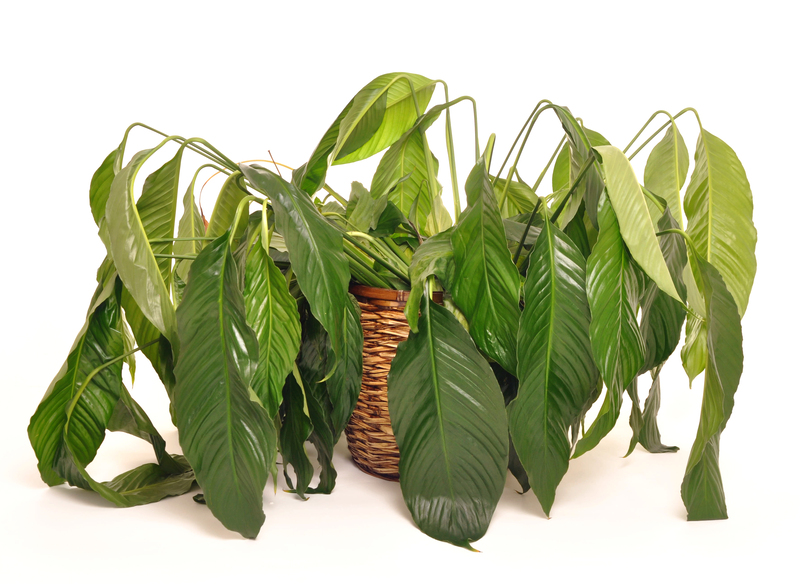
Frost occurs when temperatures dip to freezing or below, causing atmospheric moisture to crystallize. Many plants, particularly tender perennials and annuals, are vulnerable to frost injury. This can manifest as wilted, blackened, or mushy foliage and can ultimately kill sensitive species. Recognizing early frost threats and being prepared with the right protection strategies can make all the difference.
What Makes Plants Frost-Sensitive?
- Water Content: Plants with high water content in their cells, such as succulents, are more susceptible to cell rupture from ice formation.
- Growth Stage: Young, actively growing leaves and buds are especially at risk, as opposed to dormant or woody plants.
- Species Origin: Tropical and subtropical species are generally less tolerant of cold than temperate zone natives.
Key Strategies: How to Protect Your Plants from Frost
Success in winter gardening hinges on a robust frost protection plan. Below, discover a suite of tried-and-true frost protection strategies, with tips for gardens big or small.
1. Choose Plants Wisely
- Opt for Hardy Varieties: If you live in a frosty zone, select species and cultivars known for cold tolerance.
- Group Sensitive Plants: Place frost-tender varieties together, so you can easily cover or move them as temperatures dip.
2. Microclimates: Leveraging Nature's Nooks
A savvy frost fighter understands their landscape's microclimates:
- South-Facing Walls: These absorb daytime heat and radiate it at night, offering warmth to adjacent plants.
- Under Trees: Deciduous trees can help reduce heat loss and slow frost formation.
- Close to the House: Planting near buildings or fences can buffer plants from the coldest winds and offer some retained warmth.
3. Mulching: Winter's Cozy Blanket
Mulch acts as insulation for roots and helps regulate soil temperature. Apply a thick layer (2-4 inches) of organic matter such as straw, bark chips, leaves, or compost around the base of plants. Not only does this prevent temperature swings, but it also keeps moisture locked in, which is essential during cold snaps.
4. Covers and Cloches: Your Plant's Winter Jackets
Coverings are the frontline defense for frost protection. Choose from:
- Row Covers: Lightweight agricultural fleece or floating row covers trap heat while letting air and moisture circulate.
- Frost Blankets: Heavier versions provide even better protection; ensure they're anchored securely.
- Cloches: Individual covers made from glass, plastic, or repurposed materials (like milk jugs) are ideal for smaller plants or seedlings.
- Old Sheets or Blankets: In a pinch, even household textiles can shield plants overnight, but remember to remove them in the morning.
Tip: Make sure covers touch the ground, trapping earth's heat and reducing exposure. Avoid plastic directly on leaves to prevent moisture buildup and plant burn.
5. Watering: The Surprising Frost Fighter
Moist soil holds heat better than dry soil. A thorough watering before a cold night allows the soil to radiate more warmth, offering additional protection to plant roots. Avoid overwatering, which can promote root rot in poorly draining soils.
6. Windbreaks and Protection Fencing
- Temporary Screens: Set up burlap or plastic sheeting on stakes to shield your plants from bitter winds that exacerbate frost damage.
- Living Windbreaks: Dense evergreen shrubs or hedges planted on the north or windward side create lasting protection for sensitive areas.
7. Heat Sources: Boosting Nighttime Warmth
- Incandescent Lights: Set low-wattage, outdoor-safe bulbs beneath row covers to add gentle warmth (avoid LEDs, as they do not emit heat).
- Water Jugs: Fill dark-colored jugs with water and place around plants--the water absorbs daytime heat and releases it as temperatures drop.
8. Moveable Containers: Relocation as Frost Defense
One of the best winter plant protection strategies for potted specimens is simply moving them to shelter:
- Unheated Garages or Sheds: These can buffer extremes without overheating dormant plants.
- Inside the House: Many tropical plants double as beautiful house decor during the coldest months.
- Grouping Together: Arrange pots closely; grouped containers trap more warmth than isolated ones.
Plant Types and Frost Protection: A Quick Reference
- Annuals: Usually sensitive; cover or bring indoors. Replant in spring if lost to frost.
- Perennials: Many are hardy, but mulch crowns and cover especially young or less-hardy specimens.
- Shrubs & Small Trees: Protect trunks with wrap and mulch roots. Cloches can help young plants.
- Vegetables: Cool-season vegetables like kale and cabbage can withstand light frost, but tomatoes, peppers, and beans need covering.
Dealing With Unexpected Frost: Emergency Tactics
Sometimes early or late frosts take us by surprise. Don't panic--employ these last-minute frost control actions:
- Cover Quickly: Even a newspaper, cardboard box, or laundry basket will work in an emergency (remember to remove by morning to avoid trapping moisture).
- Water: If you don't have time to mulch or cover, water the soil around your plants early in the day. Wet earth holds more heat at night.
- Harvest What You Can: Pick tender crops like tomatoes, peppers, or green beans before the freeze hits. Ripen them indoors if needed.
- Shake Off Frost: Early morning sunlight on frosted leaves can cause rapid thaw-damage. Gently shake off visible frost before sun strikes.
Frost Damage: Recognizing and Remedying the Aftermath
Signs of Frost Damage
- Dark, Soft, or Water-Soaked Leaves: Especially on new growth and tips.
- Blackened Stems or Wilted Flowers: Immediate tissue death is common.
- Slow Spring Recovery: Some perennials may not sprout from frost-damaged crowns until late in the season.
Do not prune frost-damaged areas right away; wait until you see what new growth emerges in spring. Dead branches and leaves can offer some insulating benefit through the remaining cold months.
How to Treat Frost-Damaged Plants
- Protect From Further Frost: Continue using covers or mulch until all risk has passed.
- Do Not Fertilize: Stimulating new growth too soon can make plants more vulnerable.
- Hydrate and Mulch: Keep the root zone evenly moist and well-insulated.
- Prune Dead Growth Only After Dormancy: Once spring arrives and plants leaf out, remove damaged, dead wood to encourage healthy new growth.
Frost Protection for Different Garden Styles
1. Vegetable Gardens
- Use cold frames or raised beds with clear covers to extend your growing season and protect from early frost.
- Harvest mature vegetables and cover remaining crops each night when frost is forecast.
2. Flower Beds
- Add extra mulch to perennials and bulb beds after the first frost, and ensure root zones stay insulated.
- Move containerized flowers indoors or into protected corners.
3. Balcony or Patio Gardens
- Arrange pots close together and against warm walls.
- Use plant sleeves or commercial plant jackets for extra cold nights.
- Bring delicate species inside whenever possible.
Planning Ahead: Long-Term Frost Management
Being proactive is key. Adapt these strategies into your yearly routine to become a master frost fighter.
- Know Your Frost Dates: Look up average first and last frost dates for your local area to anticipate protective actions.
- Design for Defense: When planning new beds or gardens, factor in wind flow, sun paths, and existing structures for optimal microclimate creation.
- Invest in Tools: Purchase reusable row covers, cloches, and plant wraps at season's end for future use at lower prices.
- Build Cold Frames: Simple DIY cold frames or hoop tunnels can offer long-term frost insurance for both vegetables and flowers.
Frequently Asked Questions About Frost Protection
Q: Can I use plastic to protect my plants from frost?
A: Yes, but with caution. Direct contact between plastic and leaves can cause condensation buildup, leading to freeze damage. Always ensure there's an air gap--drape plastic over a frame or support and remove it during the day.
Q: Does frost always mean my plants are dead?
A: Not necessarily. While frost can damage leaves or stems, many perennial roots and crowns can recover and regrow in spring. Prune only after assessing new growth.
Q: How can I protect my vegetable garden from frost?
A: Use row covers, cold frames, mulch, and strategic watering to shield crops. Harvest mature produce before freeze events.
Conclusion: Become a Frost Fighter This Winter
Winter doesn't have to signal the end of your gardening ambitions. With informed preparation and a toolkit of effective frost protection methods, your plants can weather the chill and emerge resilient come spring. Invest in the right materials, stay alert to weather changes, and treat each "frost event" as a chance to hone your skills. The result? A healthy, beautiful garden--whatever winter may bring.
Take action now: Mulch, cover, water, and plan for a successful winter garden. With these frost fighter strategies, your green thumb will stay busy and your plants protected, season after season.