Brent Council garden waste rules Wembley gardeners must know
If you garden in Wembley, waste removal is never just a tidy-up job at the end of the week. It affects what you can put out, when you can put it out, and how much hassle you create for yourself and your neighbours. The Brent Council garden waste rules Wembley gardeners must know are not glamorous, but they do matter. Get them right, and you keep your garden moving smoothly. Get them wrong, and suddenly a neat pile of clippings turns into missed collections, extra trips, and a very annoying mess by the kerb.
This guide breaks the rules down in plain English, with the practical bits Wembley gardeners actually need: what counts as garden waste, how to handle it safely, how to avoid contamination, and what to do when you have more green waste than the normal weekly rhythm can handle. I'll also cover common mistakes, local best practice, and a few simple ways to keep your outdoor space manageable without making rubbish day a drama.
Why Brent Council garden waste rules Wembley gardeners must know Matters
Garden waste looks simple until you start dealing with it every week. A few grass clippings, some hedge cuttings, a branch or two, maybe a bag of dead leaves after a wet spell. Fine in theory. In practice, one wrong bag or the wrong material mixed in can stop the whole lot being accepted. That is why knowing the Brent Council garden waste rules Wembley gardeners must know saves time, stress, and those awkward "why is this still sitting here?" moments by the side gate.
There's also a practical local angle. Wembley gardens are often a mix of compact town plots, terraces, paved yards, shared access routes, and front gardens that need careful storage. Waste that is easy to manage in a big suburban garden can become awkward fast in a tighter Wembley setting. A little planning keeps pathways clear, stops overflow, and helps you stay on top of seasonal surges after pruning, mowing, or a bigger clear-out.
And let's be honest, nobody wants a pile of soggy grass sitting around after a rainy Tuesday. It smells. It compacts. It attracts flies. Not ideal.
How Brent Council garden waste rules Wembley gardeners must know Works
At a practical level, garden waste rules usually revolve around three things: what qualifies as garden waste, how it is presented for collection, and what must not be mixed in. Exact collection arrangements can change, so the safest approach is always to check the current Brent Council instructions before you put anything out. Still, the basic principles are stable and worth understanding.
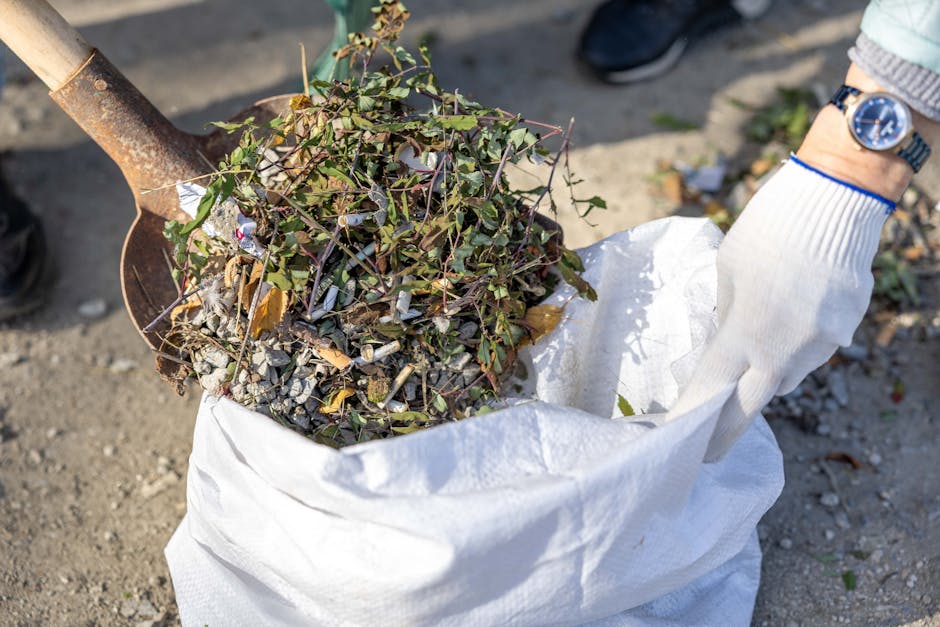
Garden waste generally means natural material from the garden: grass cuttings, hedge trimmings, leaves, small twigs, weeds, plant prunings, and similar green material. It does not mean general household rubbish, soil-filled rubble, plant pots, plastic ties, broken tools, or food waste. Mixing those together is one of the fastest ways to create a rejected load. That's the bit people forget when they're working quickly on a Sunday afternoon.
If you are carrying out bigger maintenance jobs, such as hedge reduction, tree work, or a full garden refresh, it helps to think ahead about the waste stream. A job like professional hedge trimming in Wembley can produce far more cuttings than a casual home tidy-up. Likewise, tree work may create thicker woody waste, which is a different job from light mowing or leaf clearing. Pair the task with a sensible disposal plan and you avoid a last-minute panic.
For a broader upkeep programme, regular garden maintenance in Wembley can also help keep waste volumes predictable. That makes collections, storage, and composting much easier to handle week by week.
Key Benefits and Practical Advantages
Following the rules is not just about avoiding a nuisance. There are real everyday benefits.
- Cleaner kerbside presentation: neatly presented waste is far more likely to be collected without problems.
- Less contamination: separating soil, plastic, and general rubbish keeps everything simpler.
- Better garden hygiene: waste is removed or processed before it starts to rot in piles.
- Less unnecessary labour: you spend less time rebagging, sorting, or moving material twice.
- Improved seasonal control: spring and autumn jobs become manageable rather than overwhelming.
There's also a subtle design benefit. If you know how waste is going to be handled, you make smarter gardening choices. For example, if you are replacing tired borders, working with low-maintenance planting, or redesigning a lawn edge, you can choose materials and plants that produce less bulky waste in the long run. Some Wembley homeowners use this approach to keep things tidy around paved seating areas or compact front gardens, where storage space is limited.
That ties in well with practical services too. If your outdoor space needs more than routine clearing, services such as landscaping support or lawn mowing in Wembley can reduce the build-up of unmanaged clippings and cut the waste workload down to size.
Who This Is For and When It Makes Sense
This topic matters to more people than you might think. The obvious group is homeowners who do their own gardening, but the list goes wider than that.
- Home gardeners who mow, prune, and tidy their own plots.
- Busy families who need a simple system for leaves, grass, and plant waste.
- Landlords and property managers looking after rental gardens between tenancies.
- Tenants who are expected to keep a garden tidy but are unsure what can go out.
- Professional gardeners working across Wembley and trying to stay compliant on every job.
It makes sense any time the garden has moved beyond a quick sweep. If you've just had a hedge cut, trees lifted, beds cleared, or an overgrown area brought back under control, waste handling becomes part of the job, not an afterthought. Truth be told, that's where most problems start: the gardening work is done, and the disposal plan is a bit vague. A familiar story.
For instance, someone arranging tree surgery in Wembley may end up with branches, smaller arisings, and possibly mixed green waste that needs sorting before collection. Or a household that has just refreshed fencing or broken-up timber features may need different disposal arrangements entirely. If you are improving the structure of the garden as well as the planting, you may also find fencing work in Wembley or decking services useful when planning the wider project.
Step-by-Step Guidance
Here is a simple, realistic way to handle garden waste in Wembley without getting bogged down.
- Sort the material as you work. Keep green waste separate from plastic ties, pots, labels, stones, and household rubbish.
- Collect waste into the right containers. Use whatever bins, sacks, or collection containers Brent Council currently allows.
- Keep heavy material under control. Wet grass and soil are far heavier than they look. Don't overfill anything.
- Break down bulky material. Cut long stems and branches into manageable lengths where possible.
- Check the collection day and presentation rules. Put out only what is accepted, and place it where crews can access it safely.
- Store overflow safely. If you have too much for one collection, keep the rest dry and tidy rather than leaving it scattered.
- Decide what should be composted. Some material is better reused on-site if you have the space and setup.
A practical example: after a weekend lawn cut and hedge trim, separate grass clippings from woody stems straight away. Grass compacts quickly and becomes unpleasant in a warm bag. Hedge trimmings stay lighter and easier to handle. If you keep them together too long, you end up with one dense, damp mass that nobody enjoys shifting. Simple, but easy to get wrong when you're in a rush.
If your garden is regularly producing clippings, it may be worth pairing your collection habits with ongoing lawn care in Wembley. Healthier turf generally means more predictable maintenance, and predictable maintenance usually means fewer waste headaches. Funny how that works.
Expert Tips for Better Results
There are a few habits that make a genuinely big difference, especially in a place like Wembley where many gardens are compact and access can be tight.
- Work in small batches. Don't wait until the whole garden is overloaded. Clear as you go.
- Use dry days if you can. Wet green waste is heavier, smellier, and harder to move.
- Cut before you collect. Shorter clippings and prunings are easier to store and present.
- Keep a separate "do not mix" bag. Put plastics, ties, and broken odds-and-ends there immediately.
- Plan for the season. Autumn leaves and spring cutbacks can both produce more waste than expected.
- Think about reuse. Some hedge trimmings can be shredded or composted rather than removed.
One quiet but useful trick: if you are trimming hedges or shrubs near a boundary, keep an eye on where the waste falls. It sounds obvious, but a surprising amount ends up in pathways, shared drives, or next door's planting bed. That is the kind of thing that turns a tidy job into a slightly awkward one.
For jobs where the garden is getting a full refresh, general gardening services in Wembley can help coordinate the work more cleanly. And if you are dealing with unwanted ivy climbing walls, fences, or old brickwork, the guidance in our ivy removal article can be useful when you are planning the clean-up.
Common Mistakes to Avoid
Most garden waste problems are caused by a handful of repeat mistakes. The good news? They are easy to avoid once you know what to look for.
- Mixing non-garden waste with green waste. Plastic, soil, rubble, and household rubbish are common contaminants.
- Overfilling bags or containers. Heavy loads can split, spill, or simply be left behind.
- Leaving waste exposed for too long. Rain turns it into a soggy, compacted problem.
- Assuming tree waste and grass waste are treated the same. Woody cuttings may need different handling.
- Not checking the latest council instructions. Collection systems can change, and guesswork is never a good plan.
- Ignoring access issues. Narrow side alleys, parked cars, and gate furniture can all block easy collection.
A lot of frustration comes from one small assumption: "it looks like garden waste, so it must be fine." Not always. Soil stuck to roots, stones in the bottom of sacks, or plastic plant ties tangled in pruning waste can be enough to cause trouble. Better to sort once than sort twice.
Another common issue is timing. If you've just done a bigger tidy-up, especially after a stormy spell or a windy weekend, get the waste out of the way while it is still manageable. Waiting until the next clear day often means you are dealing with a much messier pile. You know how it goes.
Tools, Resources and Recommendations
You do not need a shed full of gear to manage garden waste well, but a few tools make the job cleaner and safer.
| Tool or resource | Why it helps | Best use |
|---|---|---|
| Garden waste sacks | Useful for light clippings and leaves | Routine tidying and small pruning jobs |
| Rake | Collects leaves and loose debris quickly | Autumn clear-ups and lawn maintenance |
| Secateurs and loppers | Reduces branch length for easier handling | Hedge work and shrub pruning |
| Wheelbarrow or trug | Moves material without overloading bags | Bulkier but still manageable waste |
| Compost bin | Turns some waste into useful organic matter | Leaves, grass clippings, and soft green waste |
| Wembley garden maintenance support | Keeps work on schedule and waste predictable | Recurring upkeep and larger seasonal jobs |
For people who prefer less DIY, a recurring maintenance plan can be the most practical resource of all. It keeps grass short, hedges under control, and waste volumes lower. The same is true if your outdoor space includes paving, patios, or seating areas that trap leaf litter and debris. A tidy surface means less mess drifting into the bins in the first place.
If your project also includes hard landscaping or outdoor features, it can help to align the waste plan with the work itself. For example, before renewing surfaces or structure, you might look at patio cleaning in Wembley or landscaping work so the whole garden is reset in one go rather than tackled piecemeal.
Law, Compliance, Standards, or Best Practice
Garden waste handling is partly a council-process issue and partly a broader duty of care issue. The exact collection rules are set locally, and residents should follow the current Brent Council instructions rather than relying on old habits or neighbour hearsay. Best practice means keeping garden waste separate, presenting it correctly, and making sure it does not create a nuisance, obstruction, or contamination risk.
In practical terms, compliance usually comes down to common sense done properly. Use only accepted containers. Do not add household rubbish. Do not mix sharp or hazardous items into green waste. Keep access safe for collection crews. If in doubt, err on the side of caution and check the current local guidance before putting anything out.
For professional gardeners, the standard should be a little higher still. Waste should be sorted during the job, not after the job. Crews should know which materials are green waste, which are woody arisings, and which items need separate disposal. That is just good working practice, and it reflects well on the service as well as the street.
And yes, this is the part nobody posts on social media. But it is the part that keeps everything running smoothly.
Options, Methods, or Comparison Table
There is more than one sensible way to deal with garden waste in Wembley. The right method depends on how much you generate, how often you garden, and how much space you have at home.
| Method | Best for | Pros | Trade-offs |
|---|---|---|---|
| Council collection | Routine garden waste from small to medium jobs | Convenient, local, familiar | Must follow the rules closely, capacity may be limited |
| Home composting | Leaves, soft clippings, and reusable organic material | Low waste, useful compost later | Needs space and a bit of patience |
| Professional garden clearance | Large cuts, overgrown gardens, or one-off clear-outs | Fast, efficient, less lifting for you | More suitable for bigger jobs than tiny tidy-ups |
| Mixed garden maintenance plan | Regular upkeep with seasonal peaks | Balances cost, convenience, and control | Needs consistent scheduling |
For many Wembley households, the best option is actually a blend. Regular mowing and light tidying are handled at home, while bigger cutbacks or seasonal surges are managed professionally. That's often the least stressful route, especially if your garden includes hedges, shrubs, and a lawn that grows a bit too enthusiastically after rain.
Case Study or Real-World Example
Here's a very typical Wembley scenario. A homeowner in a compact back garden spends one Saturday morning cutting the lawn, reducing an overgrown hedge, and clearing a border that has collected winter debris. By lunchtime, the garden looks much better, but the waste pile is bigger than expected. The hedge material is light but bulky. The grass is damp. A few broken bits of old plant ties and a plastic pot are sitting in the mix. Not a disaster, but not ideal either.
What works best in that situation is a simple sort-and-stage approach. First, separate the green waste from anything man-made. Then bag the lighter material and keep the heavier, wetter material in smaller loads so it does not compact. Finally, check the collection timing before dragging everything to the front. The difference between a smooth collection and a rejected one is often just ten minutes of sorting.
In bigger gardens, the same principle applies but on a larger scale. If a job includes hedge work, border reshaping, and perhaps some tree pruning, it may be easier to organise the work as part of a wider maintenance visit. That is where services like lawn care in Wembley and structured garden upkeep are especially helpful. The garden stays healthier, and the waste never gets out of hand.
Practical Checklist
Use this quick checklist before you put out garden waste in Wembley.
- Have I separated green waste from household rubbish?
- Have I removed plastic ties, pots, stones, and broken items?
- Is the material accepted under the current Brent Council collection rules?
- Have I cut long branches or bulky stems down to a manageable size?
- Are the sacks or containers not overfilled?
- Is the waste dry enough to handle safely?
- Have I checked the collection day and presentation point?
- Do I need to keep any overflow for the next pickup or compost it instead?
If you can tick most of those off, you are already ahead of the game. Simple systems are underrated. They save the back, the bins, and the mood.
Get a free quote today and see how much you can save.
Conclusion
The Brent Council garden waste rules Wembley gardeners must know are really about one thing: keeping garden care practical. If you understand what counts as waste, how it should be presented, and what should stay out of the mix, the whole process becomes easier. You waste less time, avoid rejected collections, and keep your outdoor space looking cared for rather than cluttered.
For Wembley gardeners, the smartest approach is usually a steady one: small regular maintenance, clean sorting habits, and a sensible plan for bigger cutbacks. That is enough to stop the whole thing snowballing. And when the garden is calmer, the rest of life feels a little calmer too. It's a small win, but a real one.
And if the job is getting bigger than a tidy-up, it may be worth bringing in support that keeps the whole process neat from the first cut to the final bag.
Frequently Asked Questions
What counts as garden waste under Brent Council rules?
Usually, garden waste means natural material from the garden such as grass cuttings, hedge trimmings, leaves, weeds, and small prunings. It does not include household rubbish, plastic, soil-contaminated rubble, or broken garden items.
Can I put soil in my garden waste bin?
Soil is often treated differently from green waste and may not be accepted in the same container. It is best to check the current Brent Council guidance before adding soil, especially if it is heavy or mixed with stones.
Do hedge trimmings count as garden waste?
Yes, hedge trimmings normally count as garden waste, but they should be kept free from plastic ties, wire, and other contaminants. Long cuttings are easier to handle if they are trimmed down first.
What happens if I mix rubbish with garden waste?
Mixed waste may be left uncollected or rejected. Even small items like plant pots, packaging, or plastic tags can cause issues, so it is worth sorting carefully before collection day.
Can I compost garden waste at home instead of using collections?
Yes, for many households composting is a smart option for leaves, grass clippings, and soft plant waste. It reduces the amount you need to put out and gives you useful compost later on.
Is grass cut from regular lawn mowing accepted?
Grass cuttings are generally part of garden waste, but they should be kept clean and not mixed with non-garden materials. Wet grass can become heavy quickly, so smaller loads are easier to manage.
Do tree branches need different handling?
They often do, especially if they are thick or woody. Smaller prunings may be fine as garden waste, but larger arisings from tree work are best planned separately so you know how they will be removed.
How can Wembley gardeners reduce garden waste overall?
Regular maintenance helps a lot. Smaller, more frequent cuts, thoughtful planting, mulch use, and good pruning habits all reduce the amount of waste produced in the first place.
Should I put out wet garden waste or wait for it to dry?
Drying it a little can help, because wet waste is heavier and more awkward to handle. That said, do not leave piles sitting around too long, especially in warm or damp weather.
What is the easiest way to stay compliant with Brent Council garden waste rules?
The easiest approach is to sort waste as you work, keep only accepted material in the right container, and check the current council instructions before collection day. A small routine beats a big clean-up after things have gone wrong.
Can professional gardeners help with waste handling too?
Yes, and for larger jobs that can be a big relief. Professional gardeners can sort waste during the work, reduce the mess, and make sure the garden is left in a much better state overall.
When should I book help instead of doing it myself?
If the garden has heavy growth, a lot of hedge cuttings, awkward access, or multiple waste streams, it may be worth getting help. Bigger jobs are easier when they are planned properly from the start.